
How to Start a Dance School: A Practical First-Year Plan
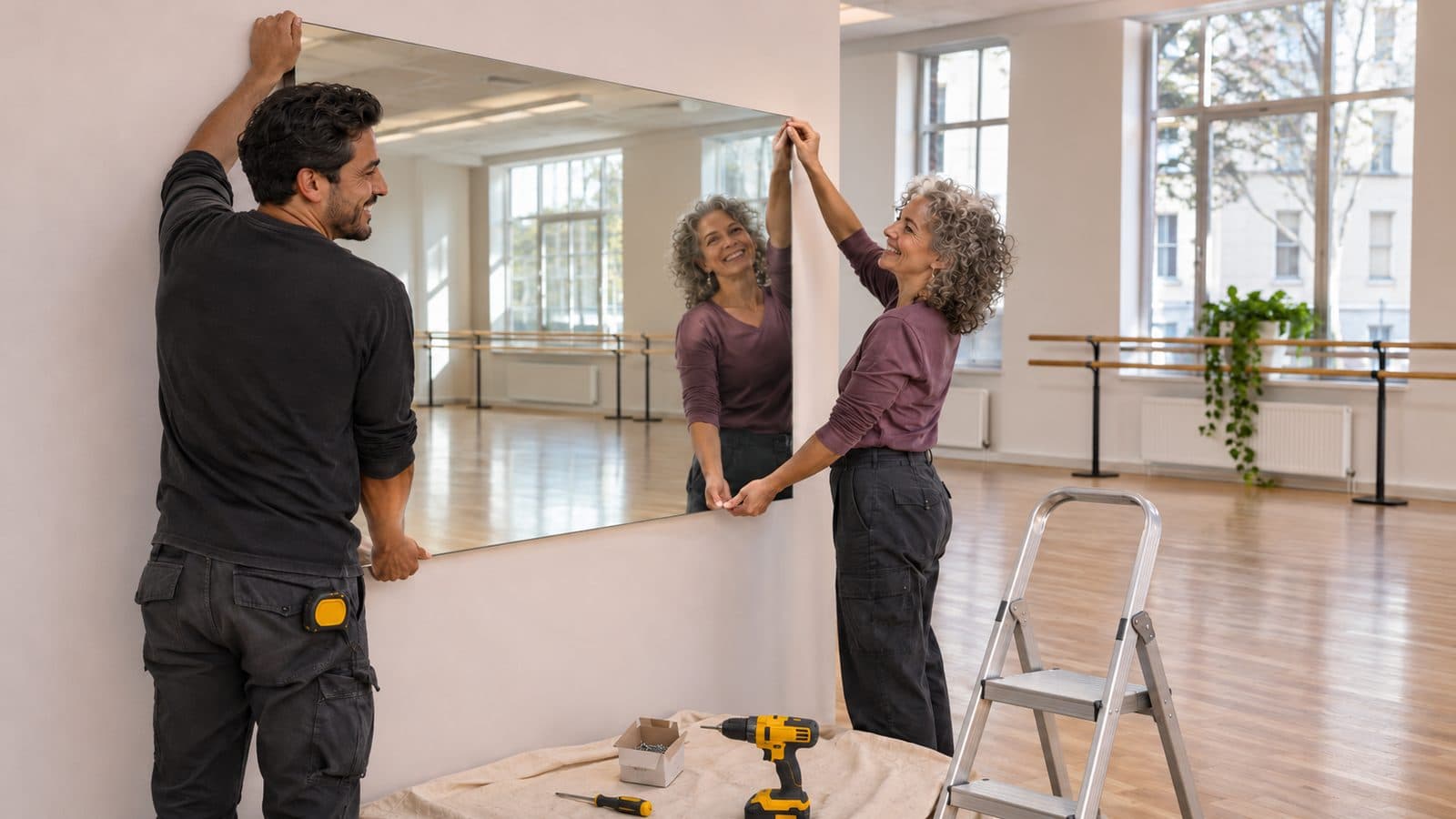
Opening a dance studio is a dream for many teachers. It's also a small business with rent, insurance, timetables, parents and payments. If you're working out how to start a dance school, this practical first-year plan walks you through the big decisions in order: your niche, your space, your timetable, your prices, the policies you need, your first 50 students and the admin you can automate from day one.
We are software engineers, not dance teachers, so we focus on the business side. Your teaching is what will make the school special; this guide helps make sure the business supports it.
1. How to start a dance school: pick your styles, ages and niche
Before you look at studios or print flyers, decide who your school is for. A clear niche makes every later decision easier.
Ask yourself:
- Which styles will you teach? Ballet, contemporary, jazz, hip hop, tap, ballroom, Latin, commercial, Zumba, or a mix?
- Which ages? Toddlers, children, teens, adults, seniors? Each group has different times, prices and needs.
- Which level? Recreational, graded exams, competition, pre-professional?
- What makes you different? A specific style, a teaching method, a friendly atmosphere for adult beginners, or simply being the only school in your neighbourhood.
Look at what already exists nearby. If three schools offer children's ballet, maybe your opening is adult beginners, boys' hip hop or after-school classes for a specific age group.
Example (an illustration): a teacher in Lyon with a commercial-dance background might start with teen hip hop and adult heels classes on weekday evenings, then add children's classes in year two.
2. Finding and fitting a studio space
Space is usually your biggest fixed cost, so take your time.
Options to consider
- Renting by the hour in a community hall, school or existing studio. Low risk, good for testing demand.
- Sharing a studio with another teacher or fitness business.
- Leasing your own premises. More control, more risk and a longer commitment.
Many new schools start with hourly rentals and move into their own space once they have a stable student base.
What to check in a space
- Floor: a sprung or suitable dance floor protects students' joints. Ask what's underneath.
- Size and ceiling height, especially for lifts and jumps.
- Mirrors and barres, or space to install them.
- Changing rooms and toilets.
- Waiting area for parents, if you teach children.
- Location and parking: can parents drop off easily? Is it near public transport?
- Noise: music and tapping feet can disturb neighbours.
- Lease terms: length, notice, what you can change, who pays for repairs.
Fit-out costs vary enormously with the building and your country, so get several quotes before you commit and keep a buffer for surprises.
Business set-up basics
Before you sign a lease, sort out the basics of running a business in your country. This is general information; ask an accountant or local business advice service about your situation.
- Legal form: sole trader or self-employed, or a company. Each has different tax, liability and paperwork.
- Registration: most countries require you to register a business or self-employed activity with the tax office or local authority.
- Bank account: keep school money separate from your personal account from day one.
- Bookkeeping: decide who will do it, and keep every receipt.
- VAT: whether your classes are subject to VAT, and at which rate, depends on your country and the type of tuition. Ask your tax adviser early, because it affects your prices.
- Music licensing: playing recorded music in classes usually needs a licence from the music licensing organisation in your country.
3. Timetable and term structure
Your timetable is your product. Plan it around your students' lives.
- Children: after school on weekdays and Saturday mornings.
- Teens: later weekday evenings.
- Adults: evenings after work and some weekend slots.
- Toddlers and parents: weekday mornings.
Decide on your year structure:
- Terms that follow school holidays, with breaks at half-term and Christmas.
- Year-round monthly classes, common for adult and fitness-style classes.
- A mix of both.
Start with fewer classes than you think you need. It's easier to add a class that's full than to cancel one that isn't. Leave gaps in the timetable for private lessons and rehearsals.
4. Pricing your classes
Pricing feels uncomfortable, but it's maths plus confidence.
Work out your costs
List your monthly fixed costs (rent, insurance, software, music licence, marketing) and variable costs (teacher pay, if you hire). Divide by the number of class hours you expect to run. That gives you a minimum cost per class hour.
Choose your fee models
- Term fees for children's classes.
- Monthly plans for regular students.
- Class packs and drop-ins for adults.
- Trial classes at a reduced price or free.
Look at local prices
Compare what other schools charge for similar classes in your area. You don't have to be the cheapest. Being clear about what's included and offering good value matter more.
For a detailed look at fee models, discounts and late payers, see our guide to dance school billing.
5. Insurance, safeguarding and policies
This section is general information, not legal advice. Requirements depend on your country.
Insurance
Ask an insurance broker about the cover a dance school typically needs, such as public liability and professional indemnity, and employer's liability if you employ staff (in the UK this is generally a legal requirement for employers). Check what your premises lease requires.
Safeguarding
If you teach children or vulnerable adults, safeguarding is essential.
- In the UK, many people who work with children need a criminal records check through the Disclosure and Barring Service (DBS). The level of check depends on the role.
- Other countries have their own systems, such as police certificates for work with children. Ask your local authority or dance association.
- Write a safeguarding policy, name a safeguarding lead, and train your teachers.
Policies to write before you open
- Terms and conditions: fees, refunds, missed classes, notice periods.
- Cancellation and make-up policy.
- Photo and video consent, especially for children.
- Data protection: what you collect, why and how long you keep it.
- Health and emergency information: allergies, medical conditions, emergency contacts.
- Code of conduct for students, parents and staff.
6. Getting your first 50 students
The first 50 students are the hardest. Some ideas that tend to work for local schools:
- Open days and free taster classes in the weeks before your first term.
- Partnerships with local schools and nurseries: after-school clubs, holiday workshops.
- Local community groups and social media, with short videos of real classes.
- A Google Business Profile with photos, opening times and a booking link.
- Referral rewards: a small thank-you for families who bring a friend.
- Performances at local events, markets and festivals.
- Word of mouth: happy parents are your best marketing. Make the first experience excellent.
Make it easy to book a trial online. A parent scrolling at 10pm should be able to sign up immediately, not wait to call you.
Keep the students you win
Getting students is half the job; keeping them is the other half. A few habits help:
- Learn names quickly, of students and parents.
- Show progress: a mid-term update, a small certificate, a short performance at the end of term.
- Ask for feedback after the first term with two or three simple questions.
- Plan the next step: tell students which class comes next, before the current term ends.
7. Admin you can automate from day one
Admin grows with every student. If you set up good systems from the start, you avoid painful migrations later.
Things worth automating early:
- Online booking and enrolment, including trial classes.
- Class capacity and waitlists, so classes don't get overfilled.
- Payments: term fees, monthly plans and class packs collected online.
- Reminders before classes and trials.
- Attendance, marked on a tablet or phone at the start of class.
- Student records, with emergency contacts and medical notes in one secure place.
- Make-up credits for missed classes.
Choosing the right tool is a project in itself. Our checklist on how to choose dance school software helps you compare options without getting lost in feature lists.
FAQ
How much does it cost to open a dance studio?
It depends heavily on your city, your space and how much fit-out you need. Starting with hourly rentals keeps the risk low; leasing and fitting your own studio needs a bigger budget. Get local quotes before you commit.
Do I need qualifications to open a dance school?
It depends on your country and what you teach. Many schools follow the syllabus of a dance teaching organisation, which has its own qualifications. Check local rules for working with children.
How many students do I need to break even?
Divide your monthly costs by your average monthly fee per student. That gives you the minimum number of paying students you need.
Should I start with children or adults?
Choose based on your experience and local demand. Children's classes bring loyal families; adult classes are easier to schedule in the evenings.
How BizBrew helps
BizBrew gives a new dance studio the core admin in one place. Students book classes and trials online, classes have capacity limits and waitlists, and courses book active students into every future class (scheduling and bookings). Student profiles hold notes and history, parents can be linked to a child's profile to get copies of booking e-mails, and you mark attendance from the class roster (client management). Take payments through your own Stripe account, sell class packs and grant make-up credits (payments and billing).
It also works for Zumba centres and other dance and coaching businesses. Plans start from €15/month. Starter covers up to 10 active students and Growth up to 30, so you can move up as you grow towards your first 50 students. Start your 2 free months.